
What a 360 tour proves when a development doesn't sell interiors

Key Takeaways
- Ceiling height, column grid, window placement, orientation and riser access are what a shell-and-core buyer checks, and the tour has to prove those five.
- A render made from the architect's model has no lens, so the proportions in the tour match the drawings.
- A staged tour of a bare unit costs the sales team a disclaimer in every meeting until the last unit sells.
- A pre-rendered walkthrough gives up material swapping and in-viewer measurement, and gets proportions that match the drawings and a two-second load in return.
A marketing lead at a client in Riyadh sent me three vendor links on a Sunday evening, they work Sundays there, and asked which one we would go with. All three pages showed furnished rooms. White sofas, pendant lamps, a bowl of lemons on the kitchen island. Her tower is 250 units sold as shell and core: concrete floor, exposed columns, capped services, and the buyer does thier own fit-out. Most of her buyers are investors who will not stand in the building before they sign. I wrote back that none of the three vendors had understood what she was selling, and that this was probably not their fault. Her brief said digital sales gallery. A vendor reads that and hears show apartment.
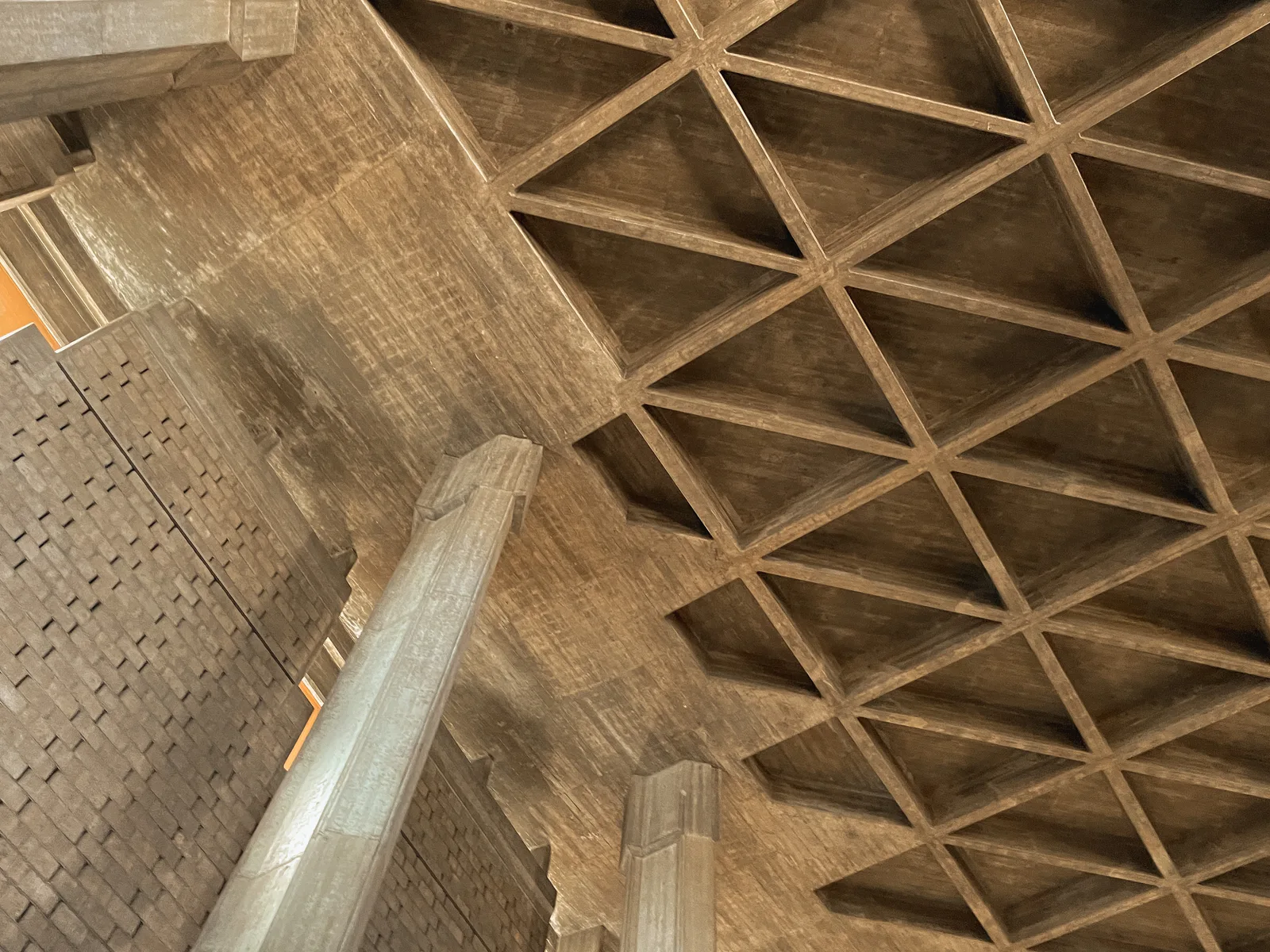
What an investor checks before signing for a bare unit is a short list: ceiling height, column grid, window placement, orientation, and where the service risers come in. Those five belong to the building, and the building is what they are paying for. So the tour has one job, to prove those five, and a render made straight from the architect's file does it better than any photograph of a furnished room.
Two vendor calls that went nowhere
First call, ten in the morning, a virtual staging studio. They walked her through a portfolio of living rooms and bedrooms with throw pillows. She explained that the units sell bare. There was a long pause and then an offer of minimal staging. Minimal staging is still furniture the buyer strips out on day one, and the sales team would spend every meeting explaining what is not included. The call ended politely and produced no tour she could send a buyer.
Second call was a photography firm. They shoot show apartments and they do good work, but there is no show apartment here and the client is not building one. There is also a quieter problem with photo-based 360 tours. They are shot on very wide lenses, typically 10 to 14 mm equivalent, which make rooms look bigger and ceilings look lower (Photography for Real Estate). In a finished flat that is a cosmetic fib. In a shell unit, where ceiling height is one of the five things the buyer is actually checking, the lens bends the one measurement that matters. By lunch she had two polite emails and still no tour.
A camera with no lens
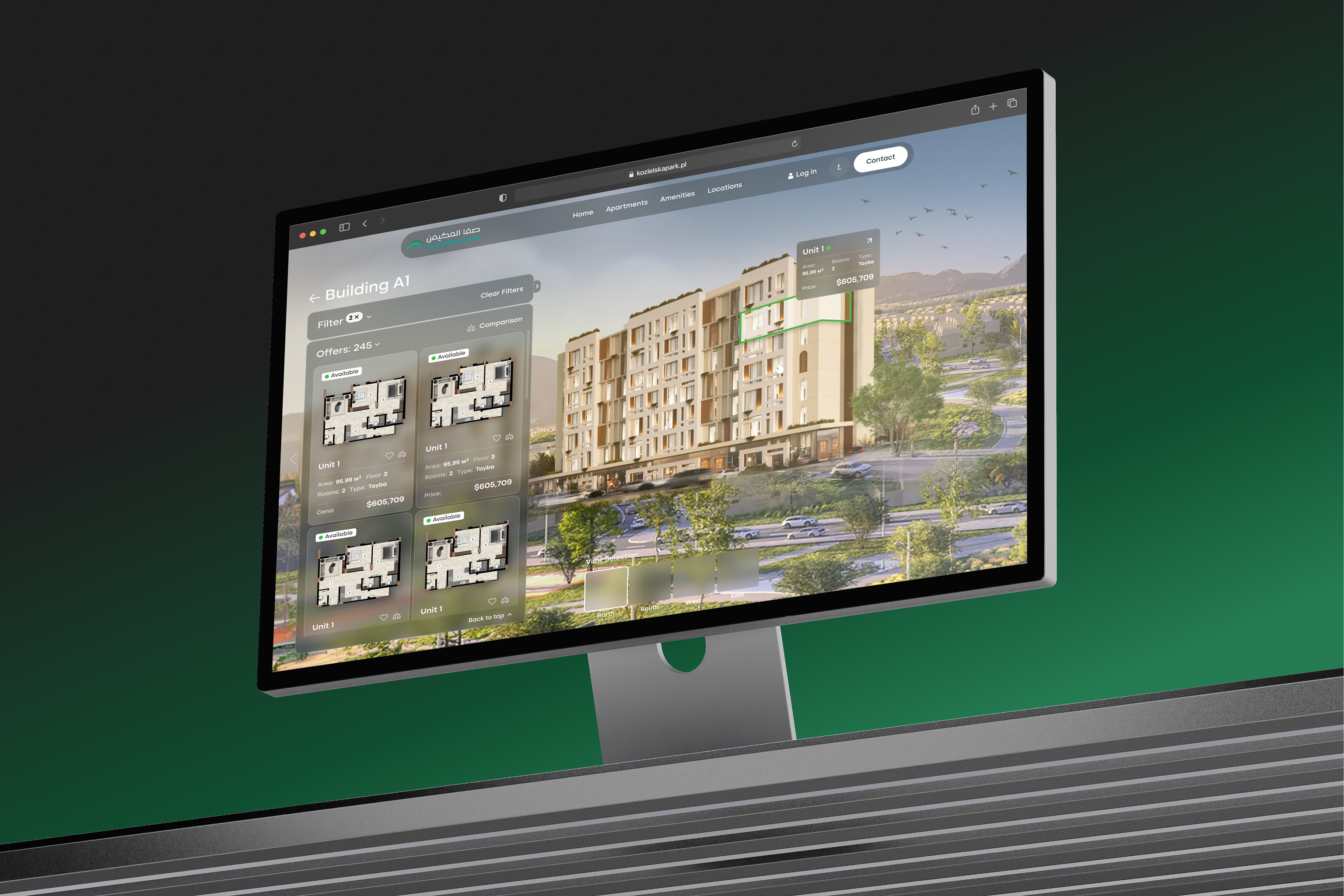
The third option is the one we build. We render from the architect's own 3D file, so there is no physical lens at all. The field of view is a number in a settings file, and what the buyer sees matches what is on the drawings, because it was made from the drawings.
The walkthrough shows bare columns, the real ceiling height, and the view from each window at whatever hour of the day the sales team wants. It is pre-rendered, so it opens on a phone in about two seconds, which matters when your buyer is on hotel wifi five time zones away. The buyer walks a concrete shell and sees what they are buying, and there is no sofa in the frame to explain away.
Where the two weeks went
She had spent two weeks on conversations that started from the wrong deliverable. Staging vendors, a photography studio, one internal meeting where somebody suggested lifestyle renders. Each of them assumed the project sells interiors, and each one cost her a few days.
The bigger cost comes later, if a staged tour gets delivered anyway. I have sat in on this. First investor meeting, the buyer points at the sofa and asks if it is included. Second meeting, same question. By the third the sales lead has the disclaimer memorised, furniture shown is for illustration purposes only, and says it for every unit in every presentation until the last one sells. Two weeks of vendor calls is the small number. Months of sales meetings spent undoing your own marketing is the real one.
The brief that came back
The brief she sent us the following week said structural walkthrough. Bare-shell camera path through the source geometry, daylight and sightlines at the hours that matter to a buyer facing west in Riyadh, and floor plans beside it. Furniture, finish selectors and lifestyle imagery were left off the list on purpose.
A pre-rendered walkthrough does not let the buyer swap materials or take measurements inside the viewer. We give that up for proportions you can trust and a load time that works on hotel wifi, and for shell and core that is an easy trade, becuase there are no materials to swap and the proportions are the whole point. This is not for a development that sells finished interiors with a fit-out schedule. That is a diffrent job, and a viewer that walks buyers through material choices is the right tool for it.
In the first investor meeting with the new walkthrough not one buyer asked about furniture. The conversation was about column spans and orientation, which is the conversation the sales team had wanted to be having all along. The meeting was a little shorter, but the thing that changed is that sales stopped working against thier own marketing.

The Unit-Specific PDF a Buyer Actually Asked For
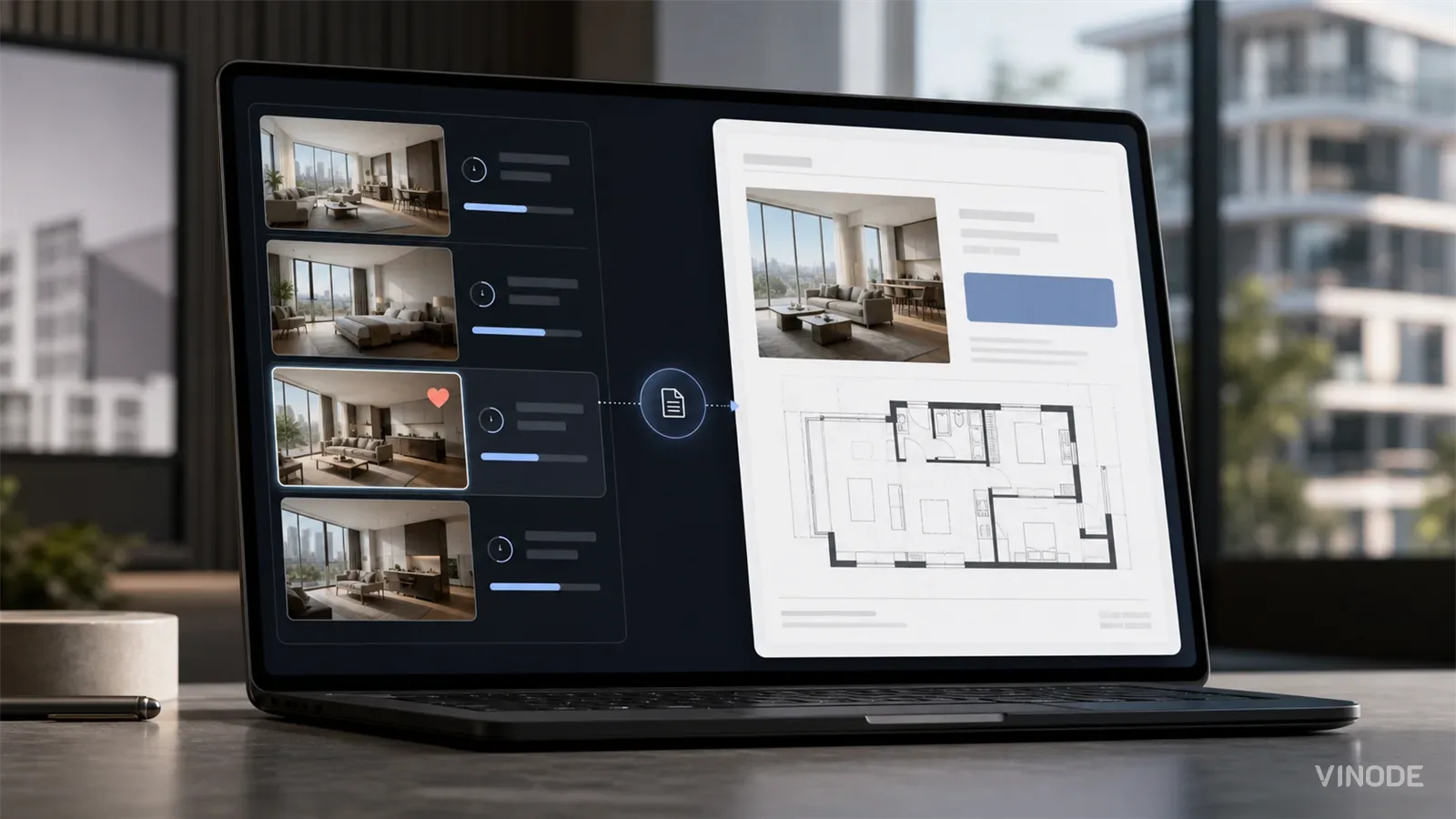
A buyer spends nineteen minutes on one two-bed, saves it, and gets the forty-one-page development brochure the next morning. Once a sales platform records the unit a buyer chose, the generic brochure becomes a decision to ignore that choice.

Expression of interest before release day: capture unit demand
640 names and no idea which side of the building they want. An expression of interest campaign pays off when the form is joined to the units each buyer explored, and each of these checks has a pass, a fail and a cost.

We measured when a pipeline crosses the presale line, not just whether it will
When GTHA opening-quarter absorption averaged 66%, the sold percentage was enough to forecast a presale crossing date. Then absorption fell to 17%. Three pipeline inputs produce the crossing date your lender asks for: stage-conversion rates, a cancellation haircut, and remaining inventory.