

Maciej Bukowski
Art Director & UX Designer - Prographers - Warsaw, PolandArt director and UX designer at Prographers - the reason Vinode interfaces feel obvious instead of impressive-but-confusing.
Across websites, apps, interfaces, and brand identities.
Samsung, Town&Country, eBilet, and Mercedes.
A real-time car configurator and an interactive real estate app.
Areas of expertise
UX design
UI design
Brand identity
User research
Visual direction
- Delivered UI/UX designs for industry-leading clients - Samsung, Town&Country, eBilet, and Mercedes.
- Contributed to the launch of websites, applications, and advertising campaigns.
- Shipped a real-time car configurator and an interactive real estate app.
- Recognized for interfaces that optimize usability and user satisfaction.
Maciej Bukowski is an art director and UX designer at Prographers, based in Warsaw. With more than 13 years in design, he has worked across websites, applications, UI/UX interfaces, advertising campaigns, and full brand identities for clients including Samsung, Town&Country, eBilet, and Mercedes.
His real specialty is the unglamorous half of design - not the shot that wins awards, but the flow that lets a stranger reserve an apartment without emailing anyone. At Prographers he owns the artistic direction and visual language of projects, keeping them consistent and aligned with client goals. Just as central is the experience layer: he works from user research and user-centered design methods through to the final interface, so products are intuitive to use, not just good-looking.
At Vinode he owns how the whole thing feels in your hands. The 3D can be flawless, but if a buyer can't find the price or the "book a viewing" button, none of it converts. He is recognized for interfaces that optimize usability and user satisfaction - the parts of design measured by whether people can actually accomplish what they came to do.
Experience
- Art Director & UX Designer, Prographers. Owns visual direction and user experience end to end - from user research and user-centered design through to the final interface - across websites, applications, and advertising campaigns.
Selected clients


His shipped work includes UI/UX for Samsung, Town&Country, eBilet, and Mercedes, spanning digital products and advertising campaigns, plus a real-time car configurator and an interactive real estate app.
Education
- Interior Design (Engineer), University of Ecology and Management in Warsaw (2005-2010). Also trained at the Warsaw School of Advertising.
Based in Warsaw. Works in Polish (native) and English (full professional). Firmly believes the best interface is the one nobody has to think about.

Expression of interest before release day: capture unit demand
640 names and no idea which side of the building they want. An expression of interest campaign pays off when the form is joined to the units each buyer explored, and each of these checks has a pass, a fail and a cost.

We measured when a pipeline crosses the presale line, not just whether it will
When GTHA opening-quarter absorption averaged 66%, the sold percentage was enough to forecast a presale crossing date. Then absorption fell to 17%. Three pipeline inputs produce the crossing date your lender asks for: stage-conversion rates, a cancellation haircut, and remaining inventory.
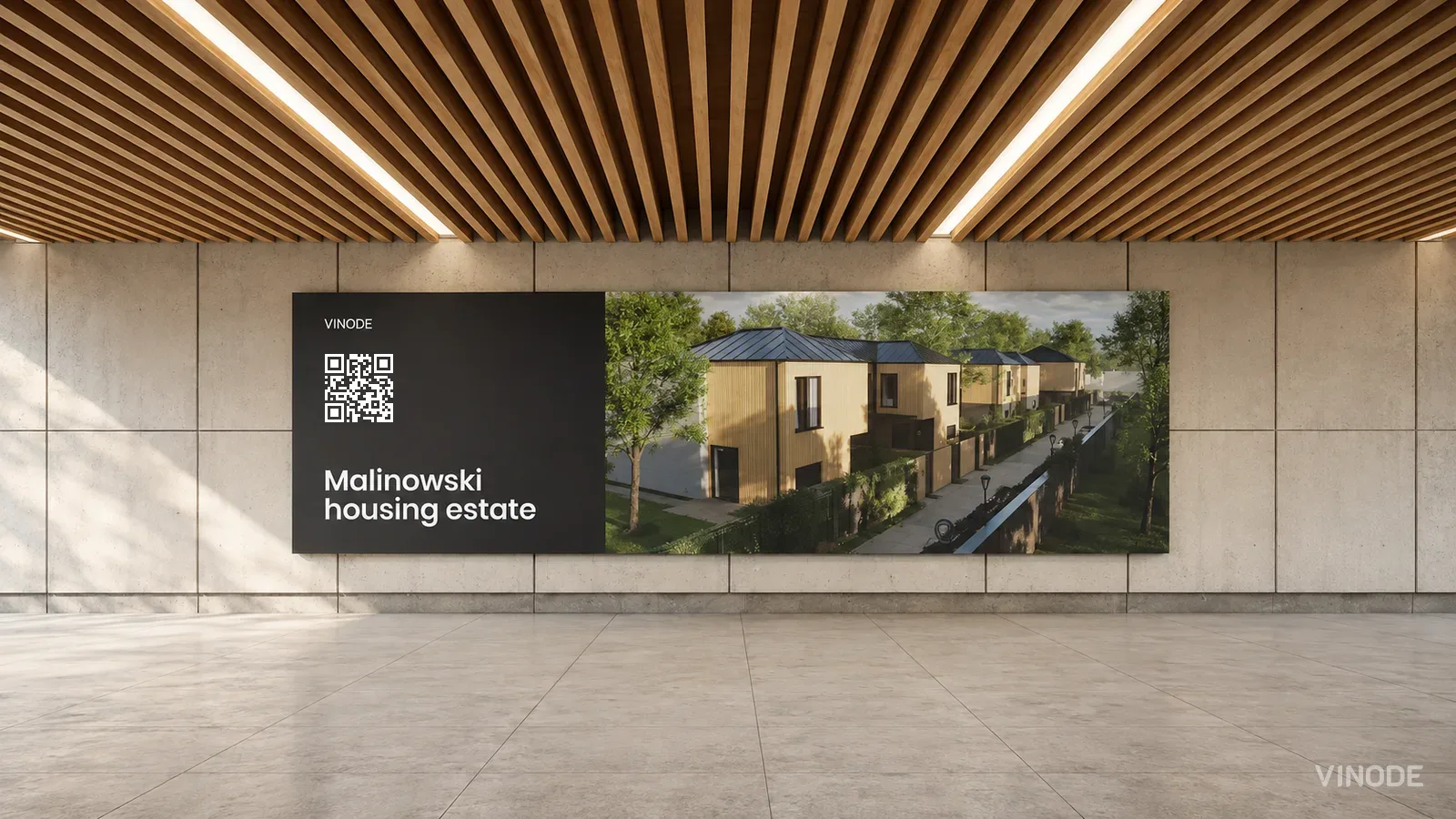
Digital Sales Gallery: What to Test Before the Display Suite Opens
The afternoon before opening, the sales lead sends herself a test enquiry and the sales desk cannot find it. Four things go wrong most often in a digital sales gallery, and each has a test you can run on the real devices and a fallback if it fails.
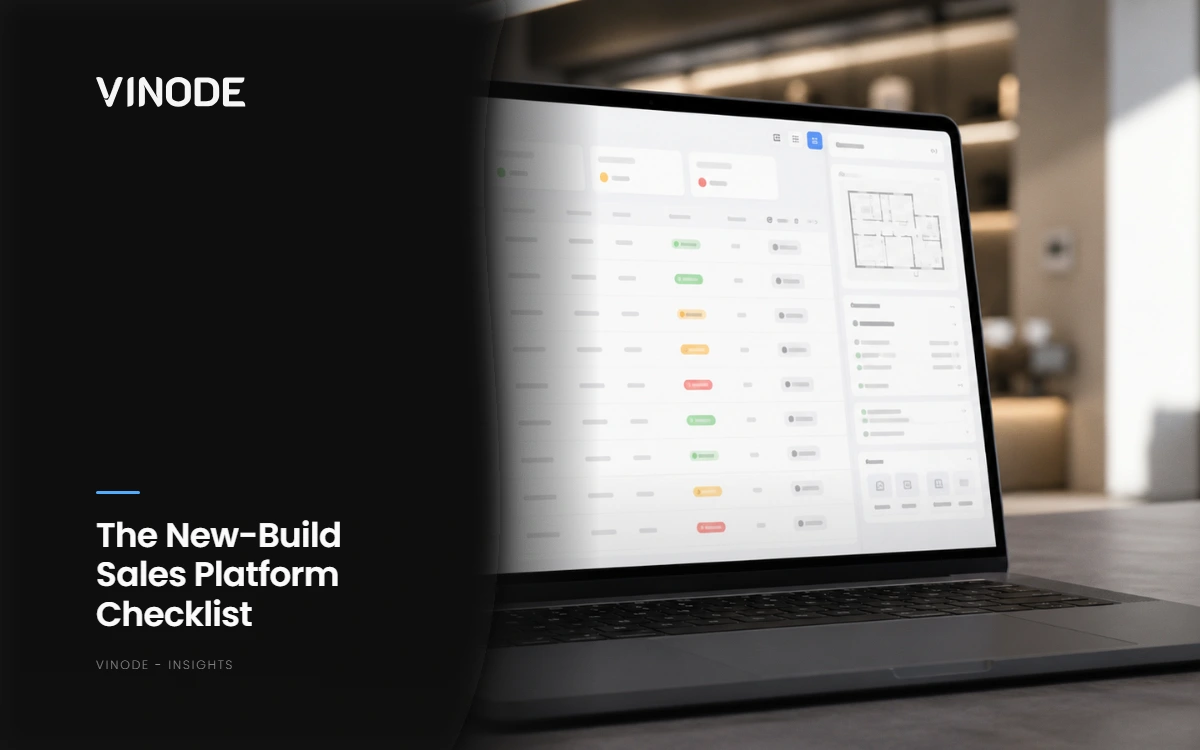
The New-Build Sales Platform Checklist
Two agents reserve the same unit from two laptops, both reservations go through, and the listing stays available for eleven minutes. Test one live unit through inventory, availability, attribution and discount approval before you choose a platform.
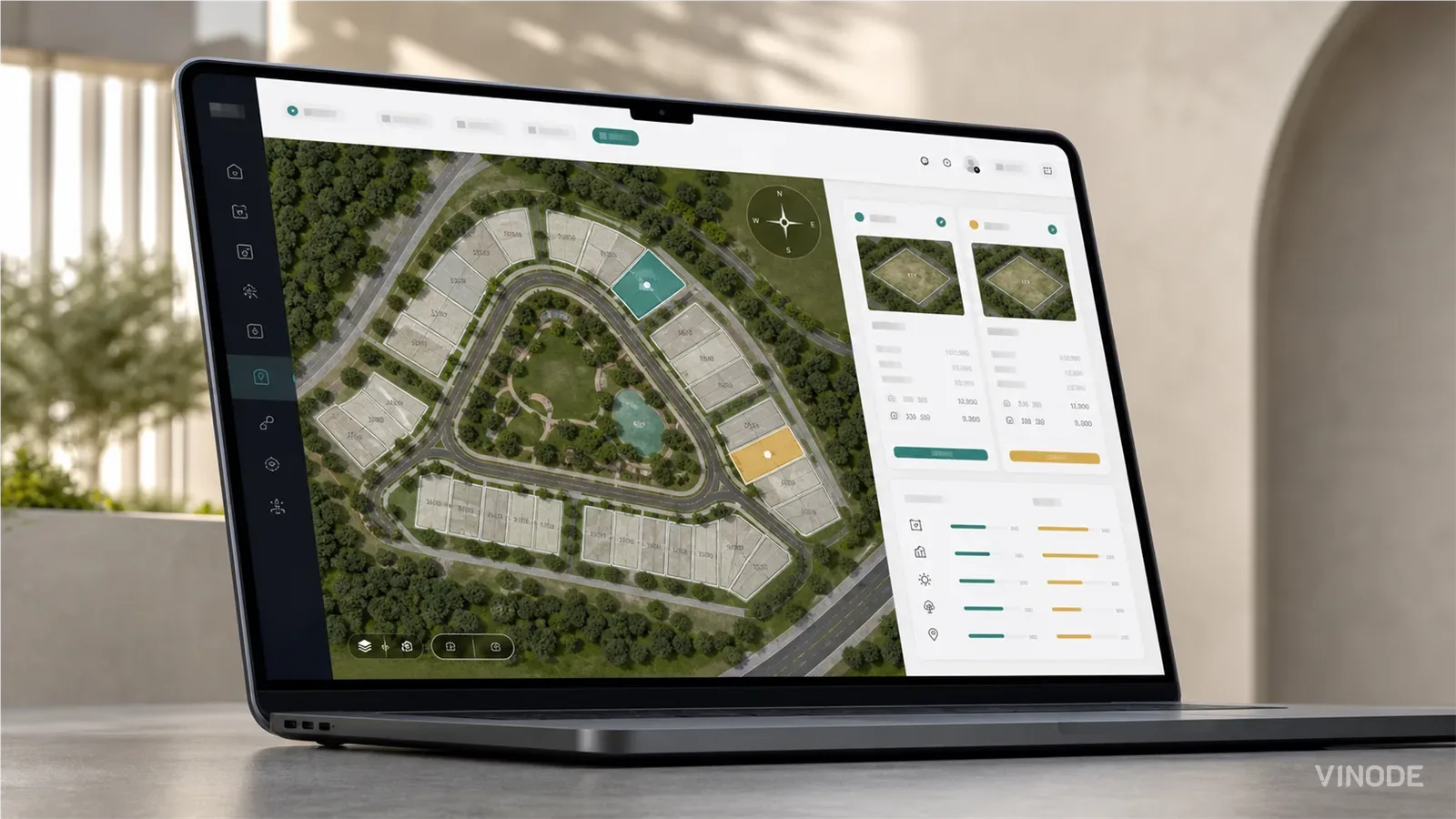
How buyers pick a plot on a housing development they have never walked on
On a six-house estate a clickable plot map does the whole job. On a varied estate the buyer still calls to ask which way the garden faces and what is behind the fence. What a plot finder has to show so that call becomes a reservation, and who at the developer keeps it current.

"3D showroom software": are you buying a product or a project?
Search "3D showroom software" and you get two things that can't be compared: a product you configure yourself and a project a studio builds for you. Tell them apart by who changes the content after launch, and how long that takes.
Cost per lead vs. cost per reserved unit: the two numbers that defend a marketing budget
A slide with two cost-per-lead figures lost a marketing manager a third of her budget. Below a 2% lead-to-reservation rate, cutting cost per lead barely moves what each reserved unit costs, and cost per reserved unit is the number a board will fund.
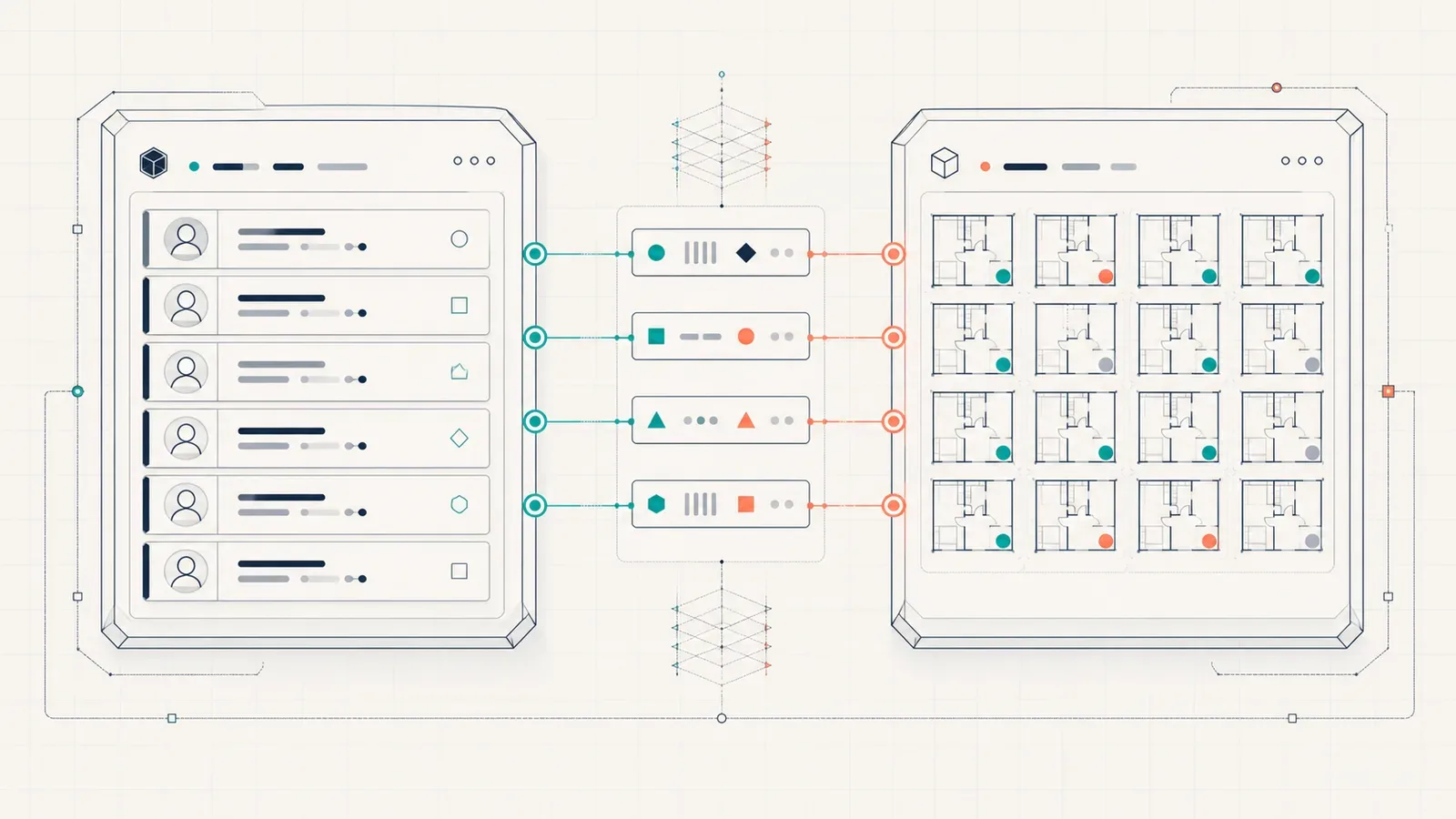
We Already Have a CRM: What Syncs and What Stays Separate
Two agents promise the same apartment on the same morning, and the sales director asks whether to replace a CRM her team likes. Keep it, add a launch tool beside it, and decide which data lives where.
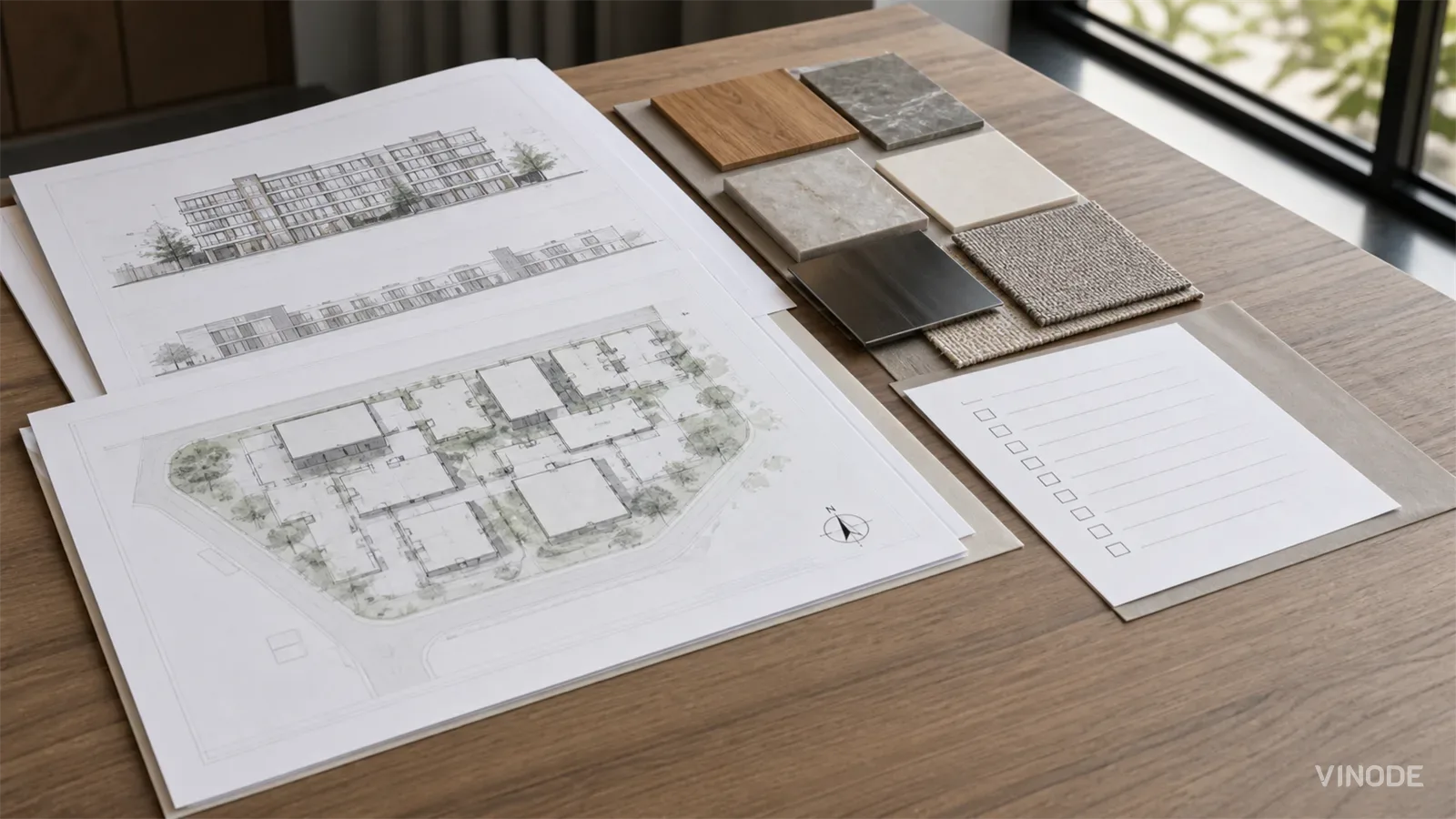
How to brief a 3D rendering studio before work starts
Send geometry, orientation, context, finishes, landscaping, shot intent, approvers and the open unknowns before rendering starts. Then revisions can focus on the image instead of missing facts.

Off-Plan Rendering: What Reaches the Buyer
A new marketing manager inherits 140 JPEGs, one MP4 and no model. Everything the 3D model knew about the units stayed on an artist's workstation, and three vendors are about to rebuild it by hand. What reaches the buyer depends on what leaves the studio.

Who keeps your property page current after launch, and how to be sure they can
A buyer drives in to reserve a unit that sold a fortnight ago, and the grid still says available. Most stale sites are an edit nobody owns rather than a tool nobody can use. Assign the owner, make the edit safe, and run a cadence that follows sales velocity instead of the calendar.

What is interactive 3D for real estate? A plain-English explainer
Four links in one email, all called the 3D tour: a video walkthrough, a photo-scan tour, a static render and interactive 3D. Who steers the camera, and whether the units underneath are still current, is how you tell them apart.

Multi-language, multi-currency launches without price drift
Three weeks before an international launch, the same apartment shows three prices across the English, Spanish, and Arabic pages, because each is a hand-built copy and the number changed in only one. Multi-currency is a governance call before it is a feature: decide the one authoritative price, localize the language around it, and name exchange-rate risk instead of hiding it behind a live switcher.
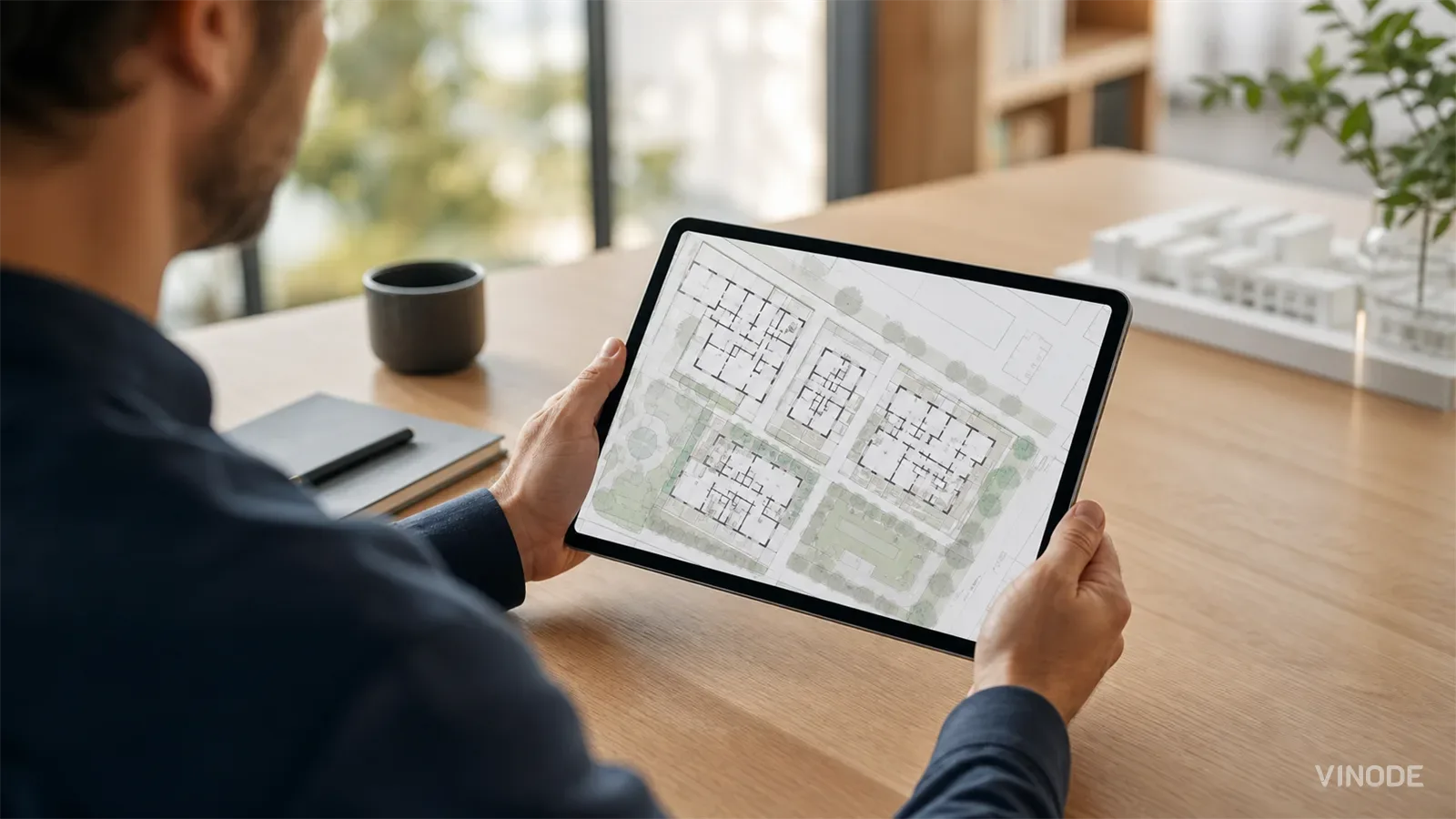
Between the brochure download and the first call
The gap before a sales call depends on two things: whether the buyer keeps choosing and whether sales reads the trail. Four outcomes show where the handoff works or fails.

Where Off-Plan Leads Get Lost: A Handoff-by-Handoff Checklist
Off-plan leads get lost when nobody owns the gap between stages. Audit each handoff by owner, time limit and escalation before blaming lead quality.

Real-estate 3D glossary: pre-rendering, pixel streaming, digital twin and 12 terms buyers hear
The words a 3D vendor uses in a pitch aren't interchangeable synonyms for 'fancy 3D'. Each one names a specific engineering choice that lands on your budget, page speed, sales-floor reliability, or lead data months later. Here is what each term commits the vendor to, and the one question that exposes it.
The European Accessibility Act and your 3D tour: where the risk actually lives
Two people read the same European Accessibility Act warning and reach opposite conclusions, and both are wrong in the same way: they treat accessibility as a property of the rendering technology. It isn't. In a 3D property tour the risk splits, one half set by architecture and the other authored by hand on every project. Here is where the line falls, when the Act even applies, and the four questions to put to any tour vendor before you sign.
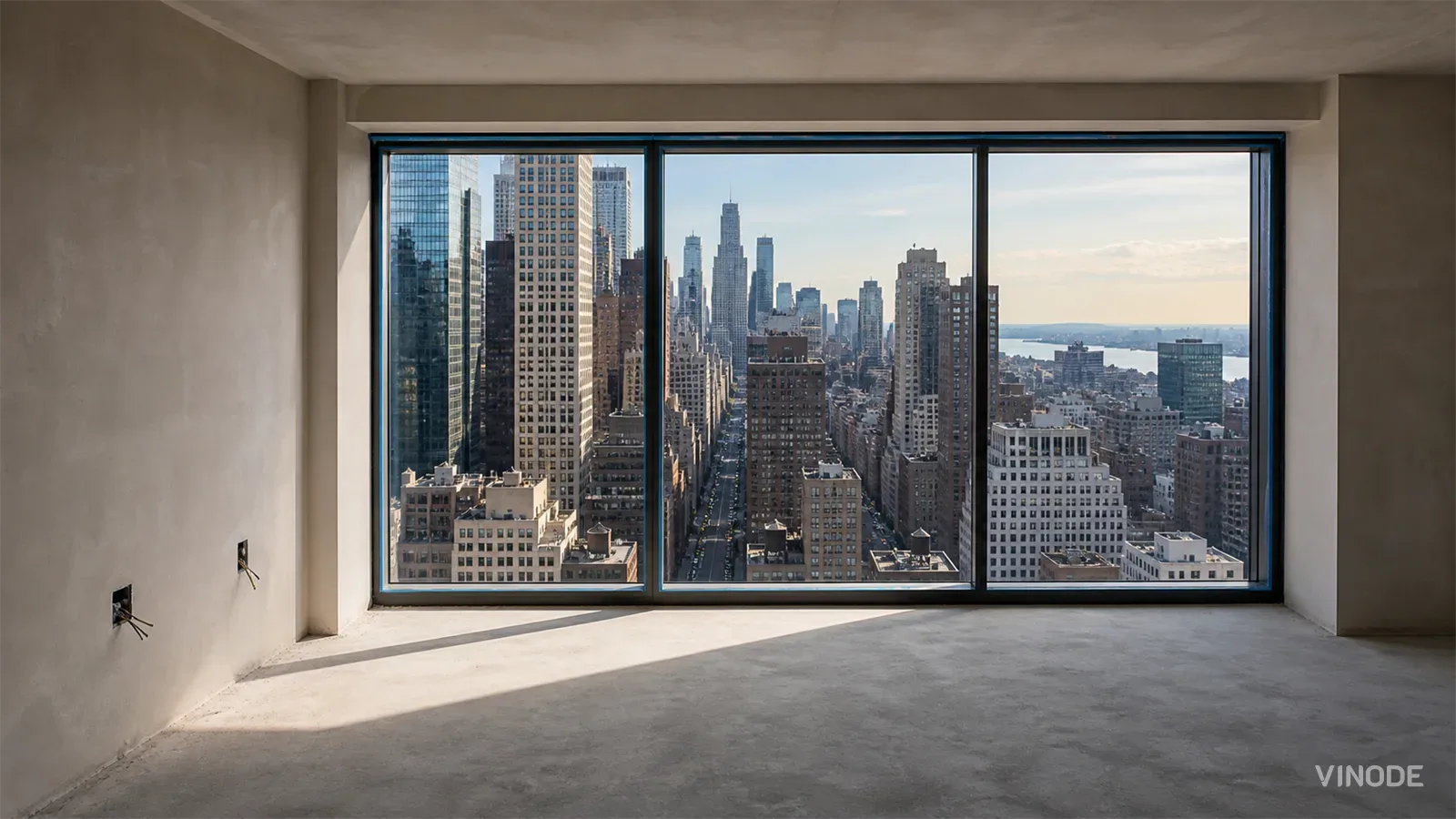
The last 20% of units decide whether you hit your pre-sale date
The last units before a pre-sale threshold often carry an objection the launch assets never answer. Show the real outlook before cutting the price.
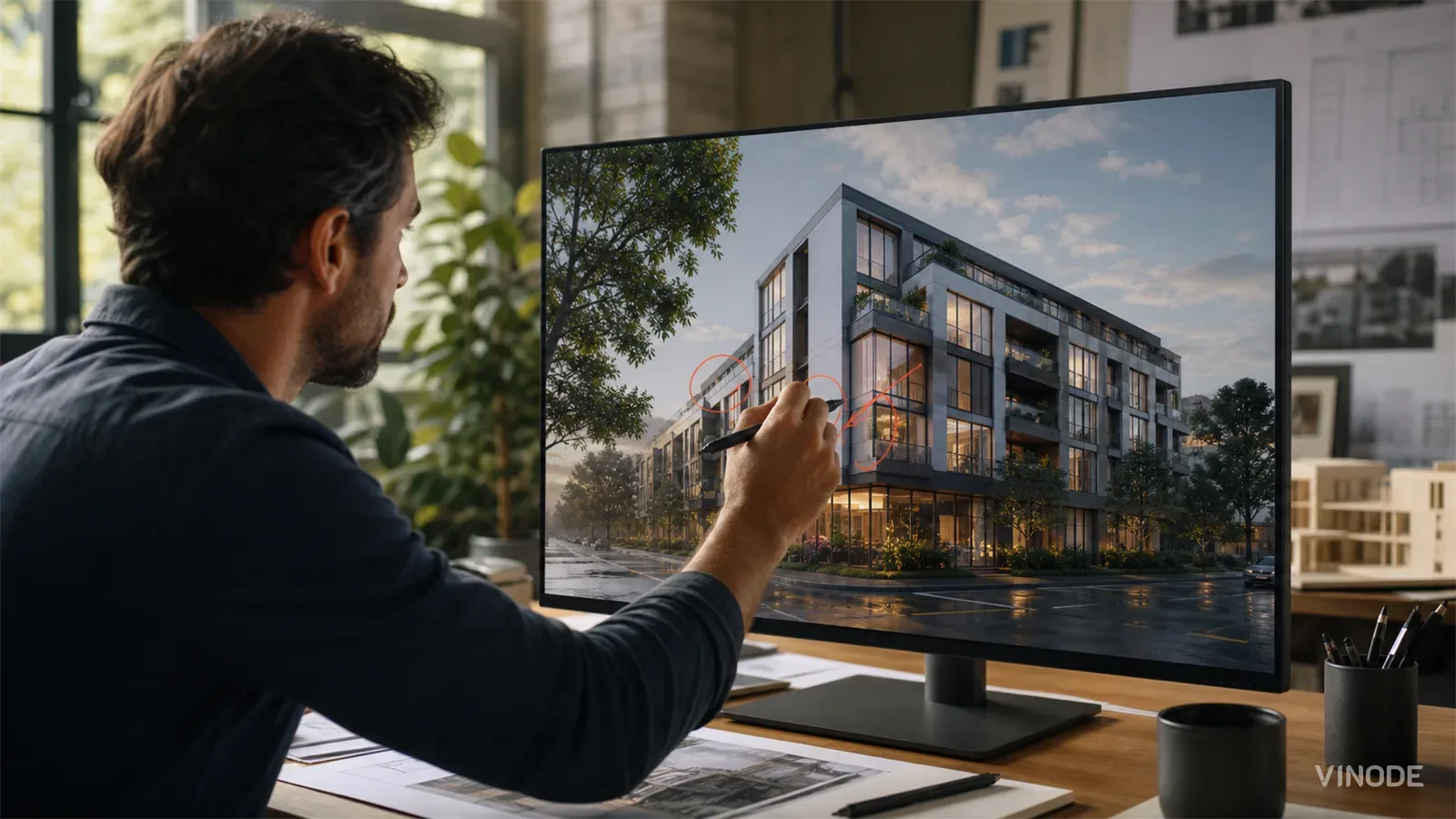
How to review and approve a property render before it goes live: a sign-off checklist
A render sign-off is a QA gate you run against the spec, not a taste call you make by eye. Three of the checks aren't 'does it look good' but 'does it match what will be built and delivered', and the last of those is an advertising risk, not an aesthetic one. The checklist, and how to end approval as a recorded, versioned state instead of an 'ok, looks great' in an email thread.
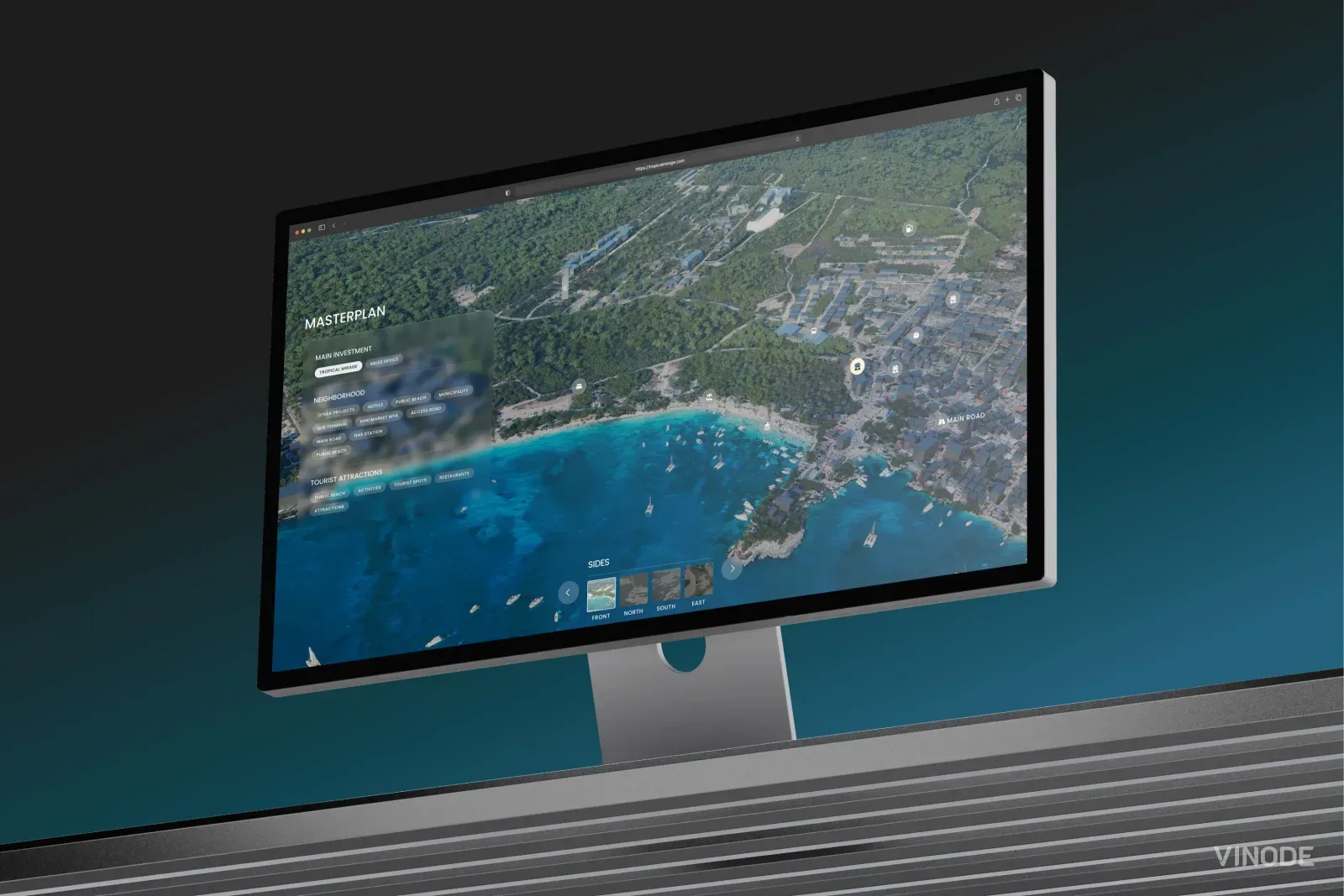
Selling off-plan to overseas buyers who can't visit the site
A remote buyer commits to an apartment that doesn't physically exist yet, in a city she's never stood in. Two instincts fire: prettier renders, and a 'reserve online' button. Both are aimed slightly wrong. What actually closes the trust gap is location context, honest live availability, and a clear-eyed view of what an online 'reservation' can and can't do for a buyer you'll never meet.
Who Should Steer a Property Tour: Free-Roam Camera or Guided Path
Property-tour vendors sell camera freedom as the premium feature. Research on how people move through 3D space says the opposite for a first-time buyer: hand them a free camera in empty space and they get lost. The fix keeps them driving, on a path someone designed.

Selling off-plan to overseas buyers: the reservation, deposit and KYC playbook
A buyer in another time zone clicks 'reserve' on an off-plan unit at two in the morning her time. The reflex is to make that click a checkout. It isn't one. It's warm intent that has to be captured cleanly and then worked by people across a legal gap and a time-zone gap. Here is the operational motion that starts the moment the click lands.

Where Off-Plan Buyers Actually Start: The Online-First, Agent-Closed Funnel
Off-plan buyers do most of their discovery online and still close with a person. Treat the website and the sales team as rivals for one budget and you weaken both ends. Fund the site to qualify, and keep the human for the close.
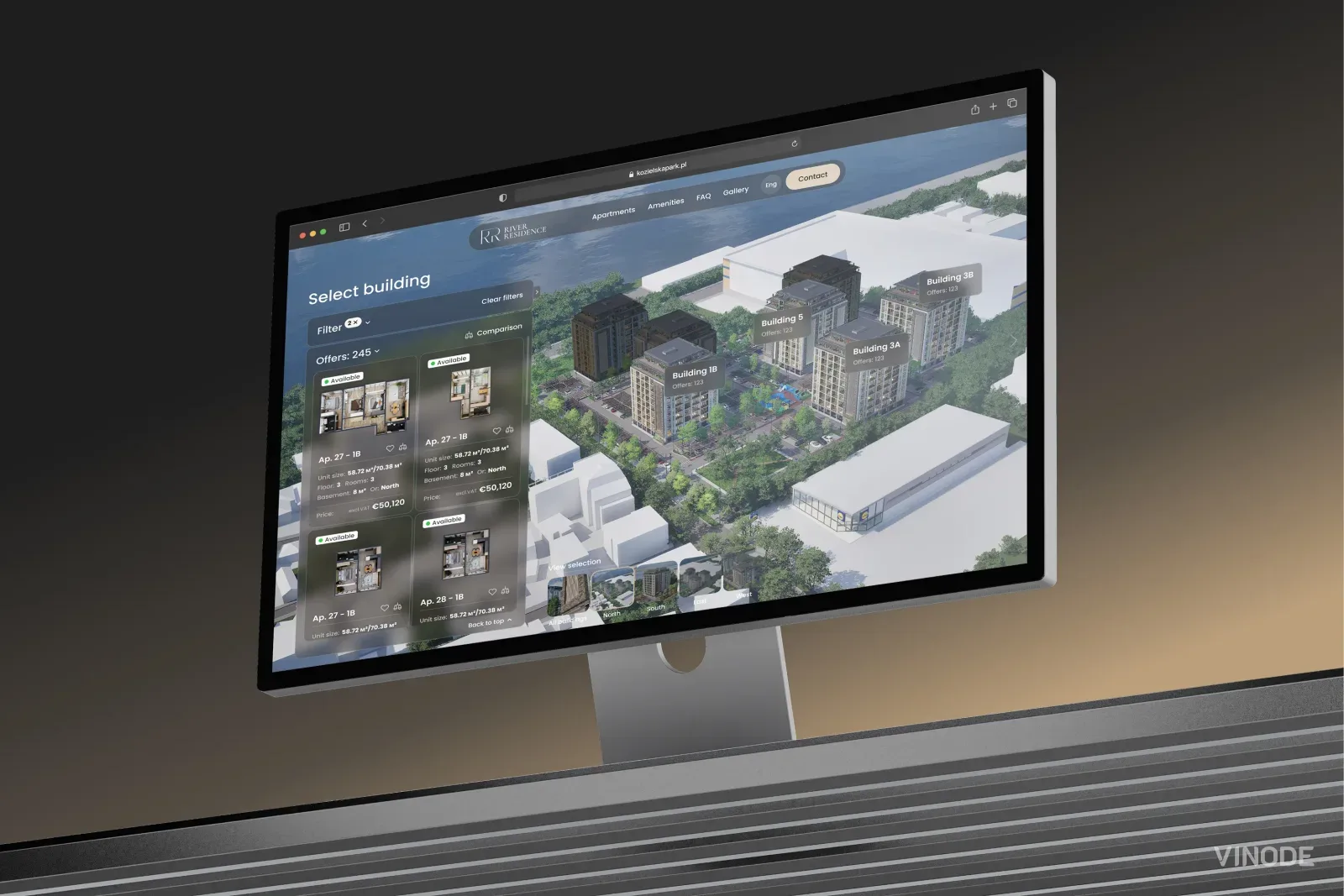
What Changes on a New-Development Sales Floor When You Switch to Interactive 3D
Switching a sales floor to interactive 3D gets sold as a presentation upgrade. The bigger change is quieter: where the agent sits during a viewing, and what the team stops keeping current by hand.

Your unit selector is already a lead form. Most sites throw it away.
A buyer narrows to building 3, floor 5, around 60 m², with a balcony, still available, then lands on a blank contact form that keeps none of it. Every filter she set was a qualification answer given for free. Design the selector so her choice carries through to your sales team as context.
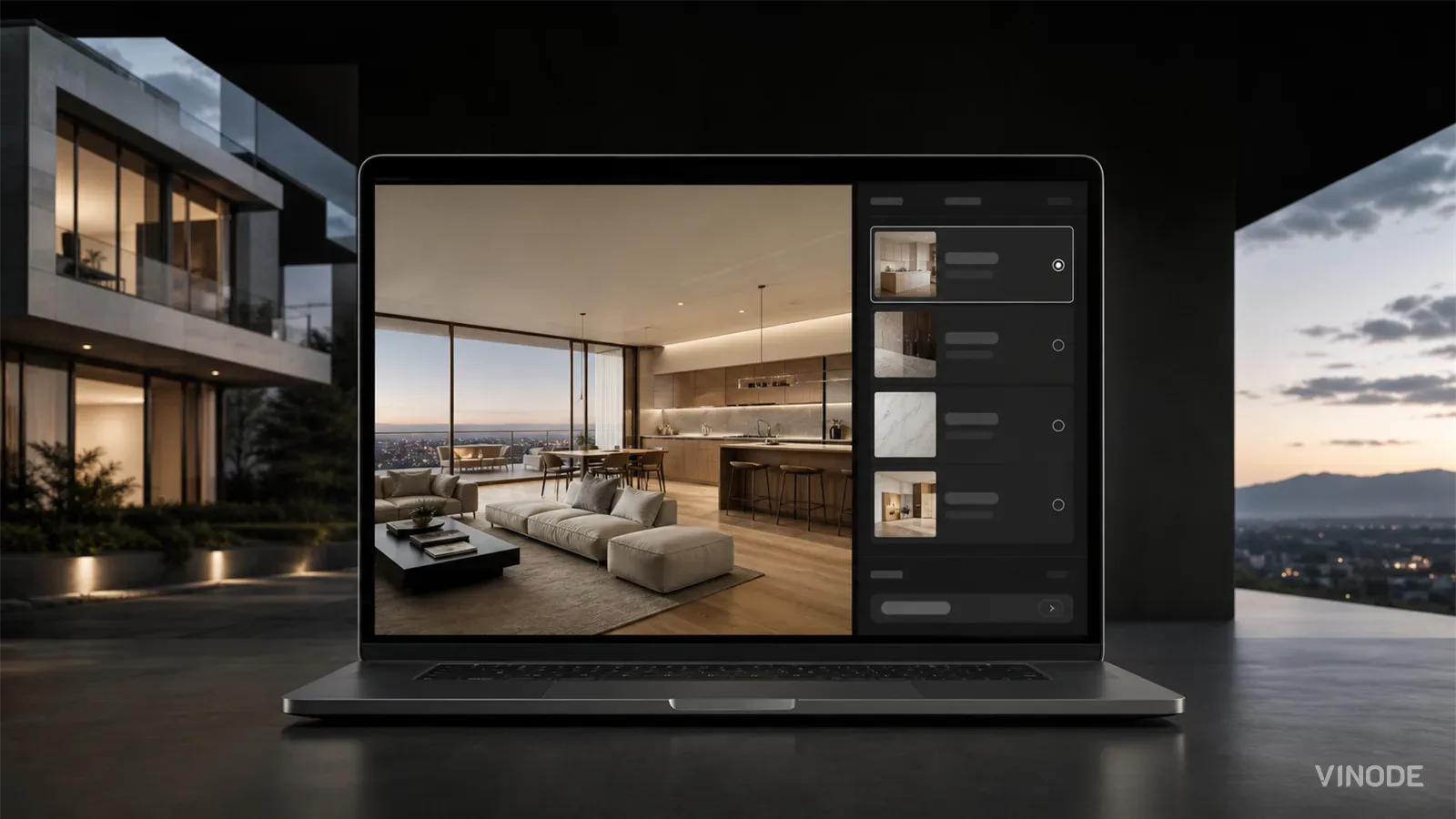
Why buyers abandon a configurator that works perfectly
A buyer can spend eleven minutes swapping finishes and still close the tab without contacting sales. The finish count is rarely what stalls her. Completion comes from collapsing the fragmentation between choices, starting on a buyable default, and ending on one concrete artifact she keeps.
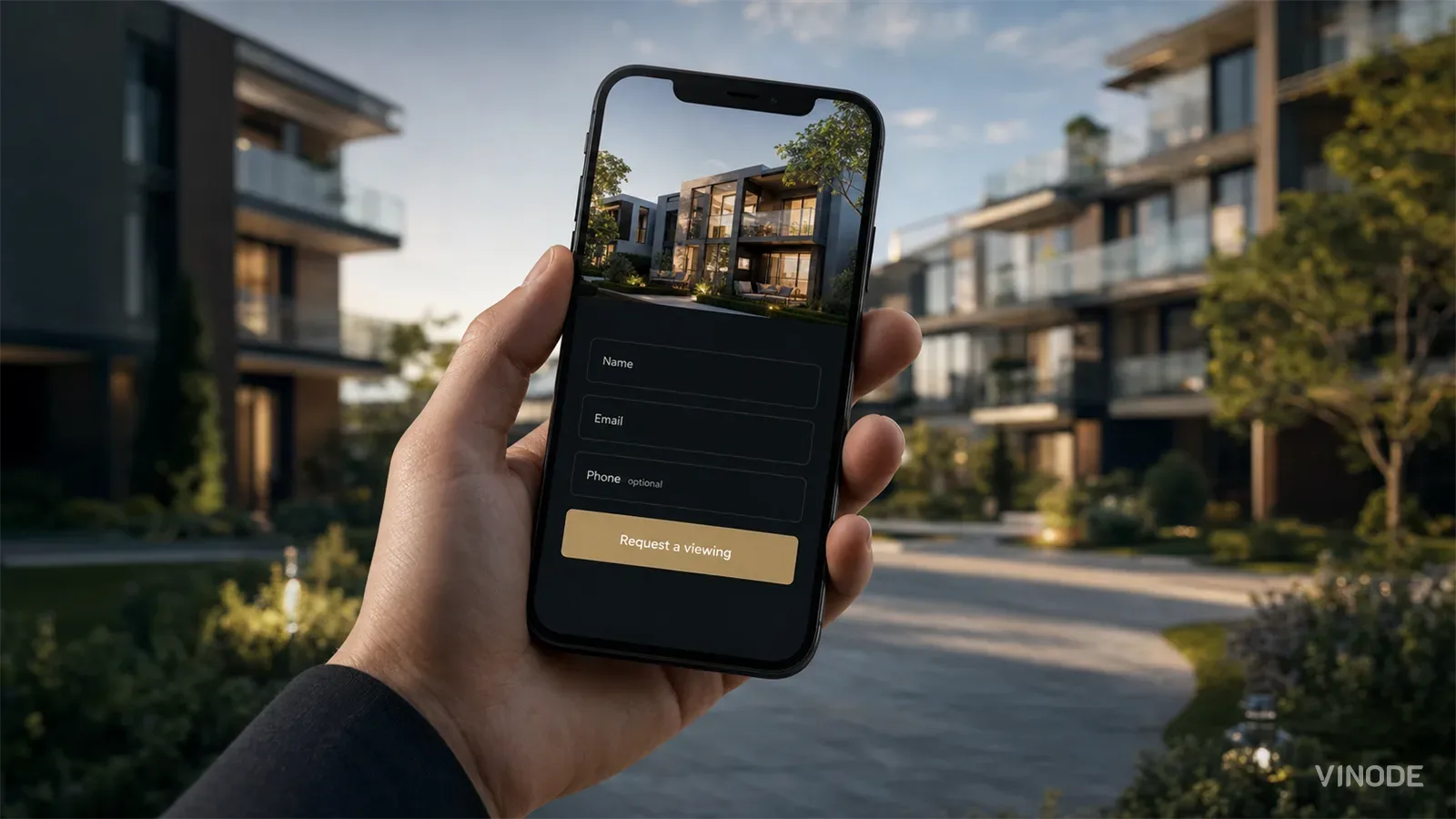
Property lead forms that convert: intent, not field count
The internet's advice is 'cut fields until it hurts.' It aims at the wrong variable. How many fields you ask for, whether you require a phone number, whether you split the form into steps: each is a function of how much intent the buyer has already shown, not a universal rule. Including an honest critique of our own live form.
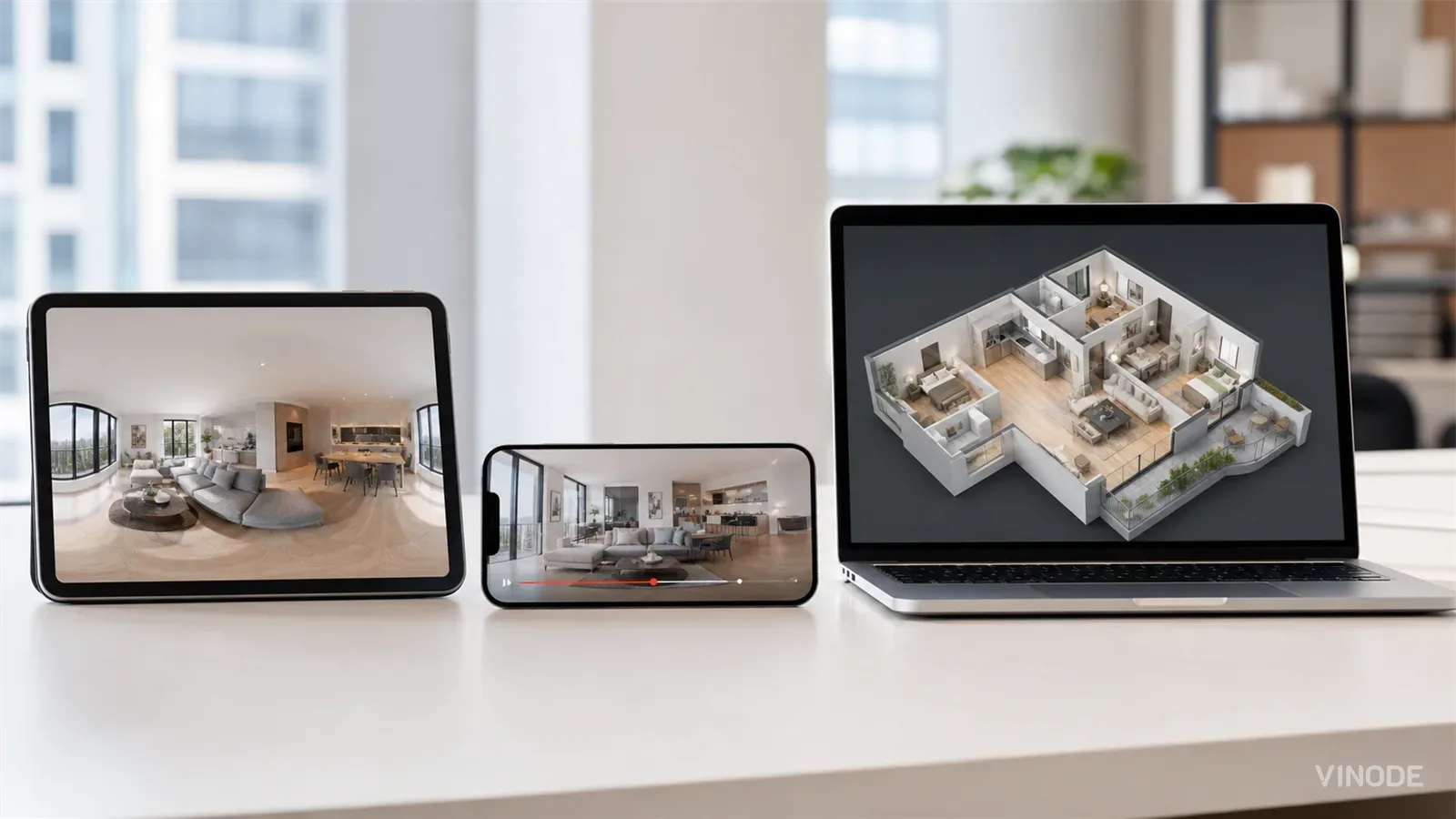
Interactive 3D vs virtual tour vs video walkthrough: which format for which stage
At the shortlist stage these three read like three prices for one job. They aren't. Sort them by what each needs as input before it can exist, and for an off-plan launch two of the three drop out before cost or buyer stage even enters the conversation.
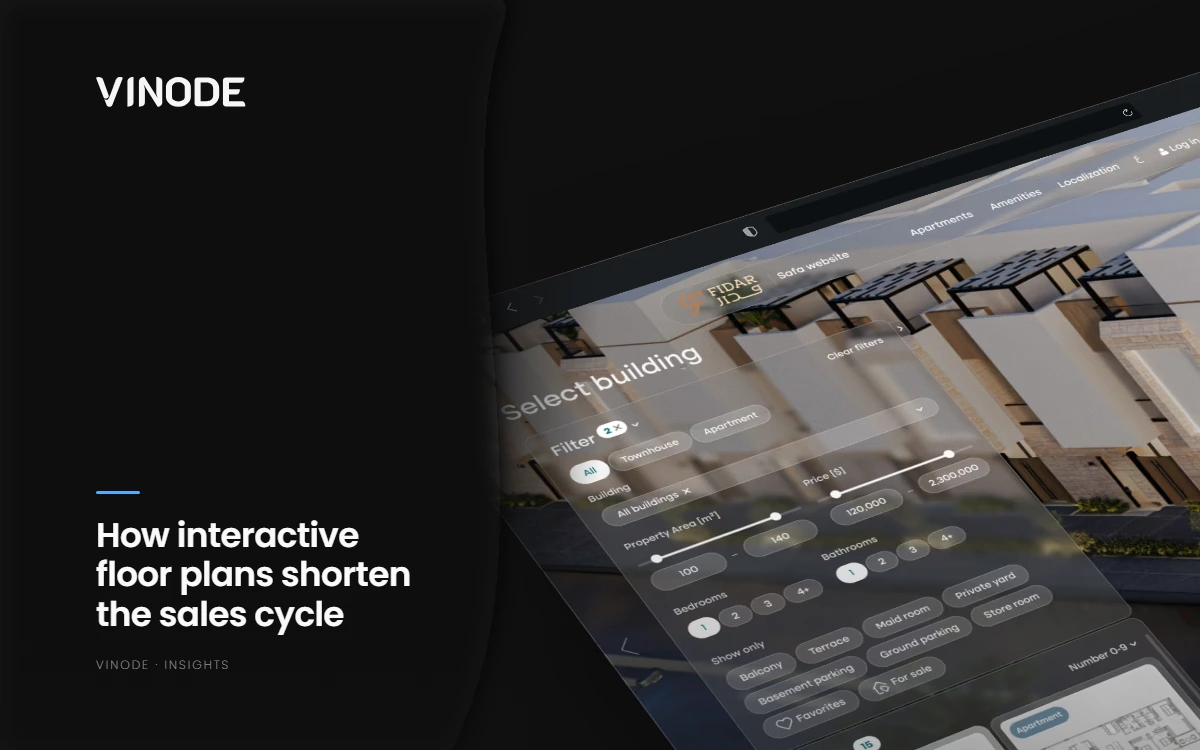
How interactive floor plans shorten the sales cycle
A static PDF floor plan answers one question at a time. An interactive plan answers them all at once: availability, pricing, orientation, and the view from the actual unit. Here's how that compresses weeks of back-and-forth.

Off-plan speed-to-lead when the buyer already toured your 3D development
A buyer spends twenty minutes in a development's 3D tour, opens three floor plans, compares two unit types, downloads a brochure, and leaves without touching the enquiry form. In the five-minute-callback world the sales team sees no record and has nothing to act on. When the first touch is a self-serve interactive page, speed-to-lead stops being a stopwatch race and becomes a question of reading the trail the buyer already left.