
How We Utilize Unreal Engine to Create Architectural Visualizations for Real Estate
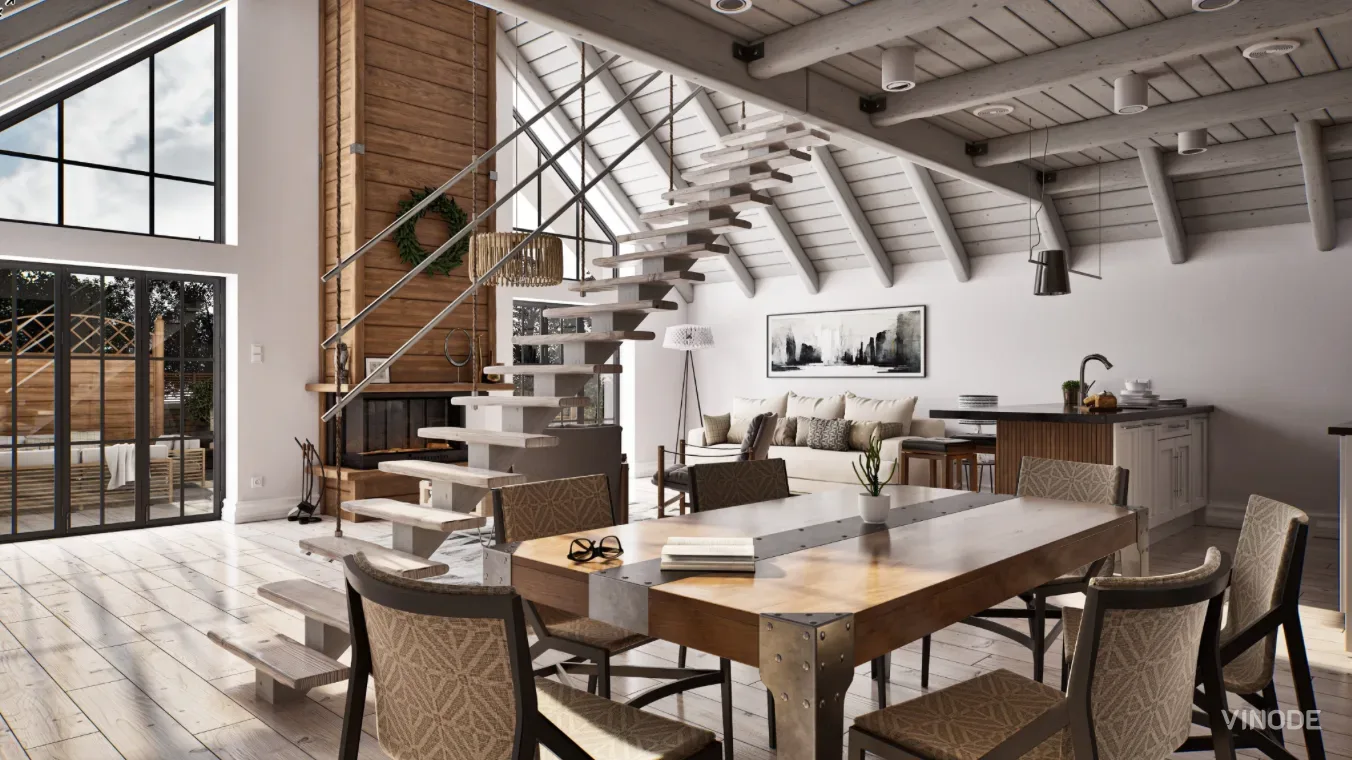
Unreal Engine is no longer limited to game development. This article explains how Unreal Engine 5 supports advanced architectural visualization and real estate marketing. Using Vinode as an example, we show how photorealistic rendering, real-time interactions, and immersive 3D web applications help real estate businesses improve presentation quality, user experience, and sales effectiveness.
Introduction
Unreal Engine is most commonly associated with game development. It's an excellent engine for building games, but it also has lesser-known applications across key industries. Used by 3D artists, filmmakers, designers, architects, and VR developers, it has opened up many opportunities for us.
We want to broaden how this software is perceived. Using our solution - Vinode - as an example, we explain how Unreal Engine makes it possible to create hyper-realistic architectural visualizations, even of not-yet-built projects.
As a 3D visualization company, we build and deliver fully functional, high-quality 3D websites for the real estate industry. Many features of Unreal Engine 5 help us prepare lifelike 3D models of buildings so our clients succeed in real estate. Today, we dive into these possibilities.
Unreal Engine at a glance
Unreal Engine is a powerful tool whose features enable unique 3D models, visuals, and interactive elements. It can import 3D models, materials, and lighting prepared in other programs.
The software can also produce virtual 3D house tours, flythroughs, and even VR experiences.
Features of Unreal Engine 5 supporting Archviz projects
Unreal Engine's advanced methods, like ray tracing, make it possible to create outstanding photorealistic visuals that mirror real-world light behaviors.
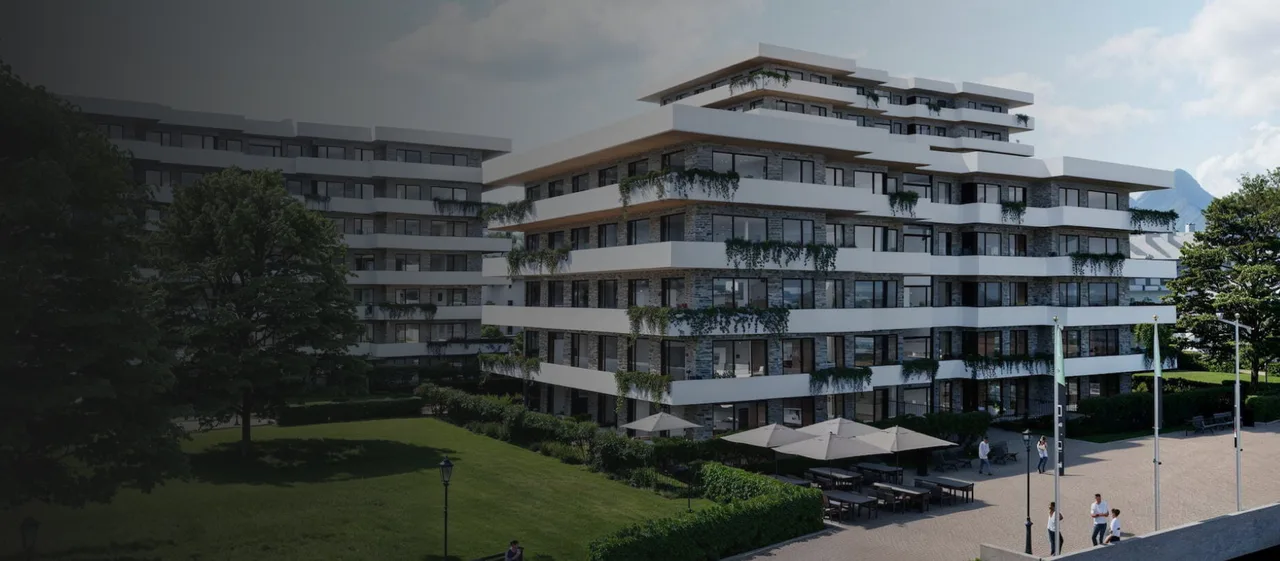
In architectural visualization, precise lighting is crucial, and Unreal Engine's ability to simulate it is fundamental to accurately reflecting the core aspects of a design. Photorealistic rendering also enhances a design's aesthetic appeal while helping us troubleshoot potential issues and test the most eye-catching lighting schemes.
Below, we highlight the UE 5 features that significantly influence the ArchViz development process.
- Materials & textures
Aesthetic communication in architecture depends strongly on materials. Unreal Engine meets this demand with an extensive collection of superior-quality materials and textures.
From the glare of glass to the intricate textures of wood and concrete, these assets let us amplify the authenticity of representative models and bring out their key features.
- Lumen
Light plays a pivotal role in architectural visualizations. Lumen, a new feature in UE 5, acts as a dynamic global illumination and reflection system. It helps us achieve photorealistic lighting faster than was possible before the engine's enhancements.
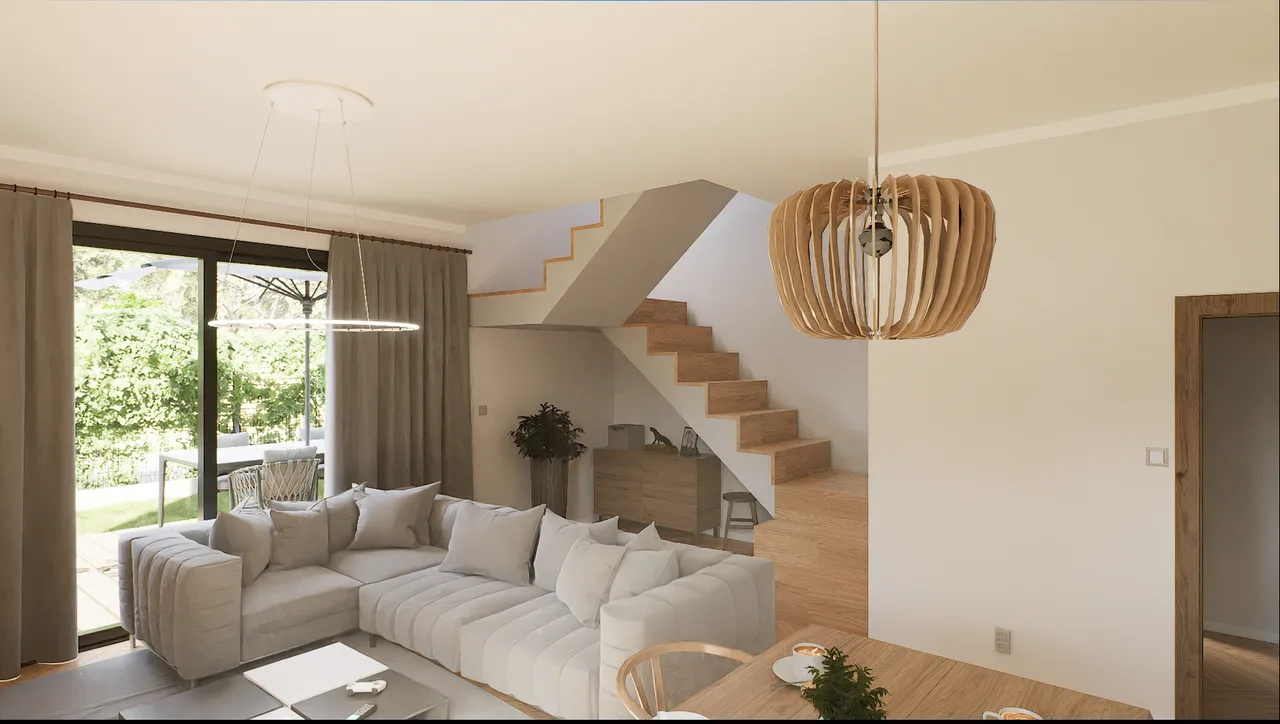
Its indirect lighting reacts in real time to direct light and geometry changes - the angle at which the sun sheds its rays, curtains being drawn, and so on - making scene realism in real time achievable.
- Real-time interactions
Unreal Engine's real-time functionality brings enormous benefits to both 3D designers and customers. It lets us make immediate modifications during discussions with clients and analyze current projects.
This live engagement builds a better understanding of customers' needs, so we can deliver your best, client-focused final product.
- Path Tracer
The Path Tracer casts multiple rays into the scene to gather color and light information for shading a given pixel, which boosts performance. It supports tinted thick glass with absorption - crucial in architectural projects - and path-traced depth of field, essential for renders with translucent materials.
It also enables path-traced eye shaders and hair. These aren't strictly needed for architecture, but for luxurious or highly detailed rugs and throws they make a real difference.
- VR & AR integration
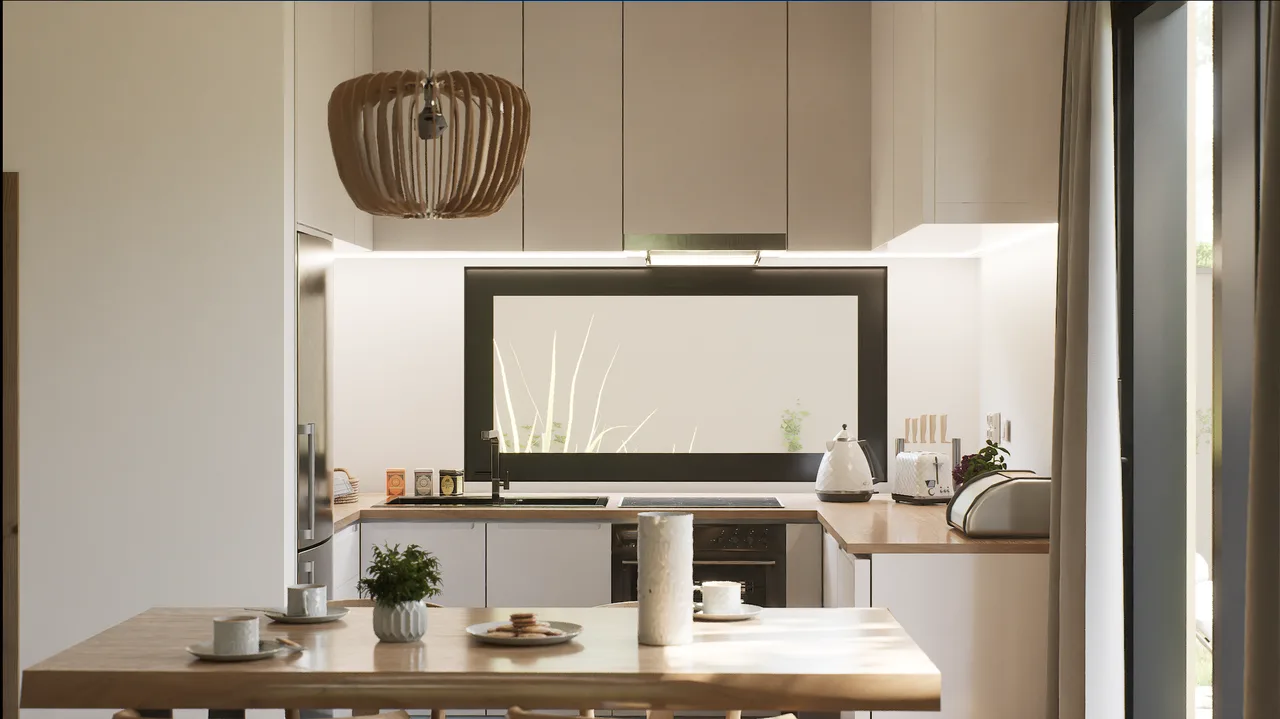
With Unreal Engine, potential property buyers can explore immersive virtual tours and augmented reality interactions. This gives them a genuine feel for a building's layout and improves their spatial awareness.
These virtual experiences can also be enriched with real-time data, letting users customize and interact with the design in unique ways - such as deploying the property and taking tours through their phone's webcam in AR.
Utilizing Unreal Engine for real estate business helps in sales
Property marketing is thriving, so standing out from the competition matters more than ever for brand recognition and quality of service. Many buyers will abandon your page if it isn't engaging or functional enough, or if it doesn't guide them through each step of the experience.
Visuals built in Unreal Engine let you offer buyers the best possible experience. According to a HubSpot study, businesses that nurture leads through interactive channels see a 45% higher conversion rate than those that don't. Your real estate website can showcase every desirable feature: beyond a basic interactive 3D web page, our functionality lets clients take 3D house tours, customize interiors and render each view without delay, deploy a particular investment on their plot (AR apps), view properties via the Sales Office App, and more. These features deliver the best user experience and drive higher ROI.
Immersive 3D real estate web apps
Unreal Engine offers Pixel Streaming, which renders graphics in real time. On its own, though, it isn't enough to build a 3D web app that runs smoothly without delay. So we went a step further and enhanced the technology with optimizations that let us serve interactive content at the highest possible speed.
Streaming immersive, top-notch Unreal Engine applications brings real estate agents and clients many benefits:
- A loading time of around 1 second ensures the best performance and user experience.
- Our apps run on any device with internet access - no special device parameters or downloads required.
- Your properties' key features can be presented on the web from their best perspective.
Conclusions
Together, these features shape how your real estate business succeeds by putting a 3D web page in front of customers.
Unreal Engine lets you deliver high-quality web apps with photorealistic 3D representations of exteriors and interiors and realistic environments surrounding properties. We help you build strong recognition for your services and streamline sales, and we also provide CRM/CMS integration for effective management.
With Vinode, our all-in-one visual marketing solution for real estate businesses, you can take your work to the next level. Read about the benefits of investing in our solution, and contact us to schedule a meeting to discuss your marketing needs.
FAQ
Why is Unreal Engine used outside of game development? Unreal Engine offers advanced rendering, lighting and real-time interaction capabilities that make it suitable for industries such as architecture, real estate, film and design.
How does Unreal Engine support architectural visualization? It enables photorealistic rendering, accurate lighting simulation and real-time scene adjustments, allowing architects and developers to present designs realistically - even before construction begins.
What makes Unreal Engine 5 suitable for real estate web applications? Features like Lumen, ray tracing, path tracing and real-time interactions allow the creation of immersive, high-quality 3D experiences accessible through web-based applications.
Can Unreal Engine be used to present unbuilt properties? Yes. Unreal Engine allows the creation of detailed virtual representations of planned developments, helping buyers better understand space, scale and design before construction.
How do immersive 3D web apps impact real estate sales? Interactive and realistic presentations improve engagement, spatial understanding and confidence, which supports higher conversion rates and better return on investment.
Do Unreal Engine-based web apps require special hardware? No. Thanks to optimized streaming and web delivery, users can access immersive 3D experiences on any device with an internet connection.

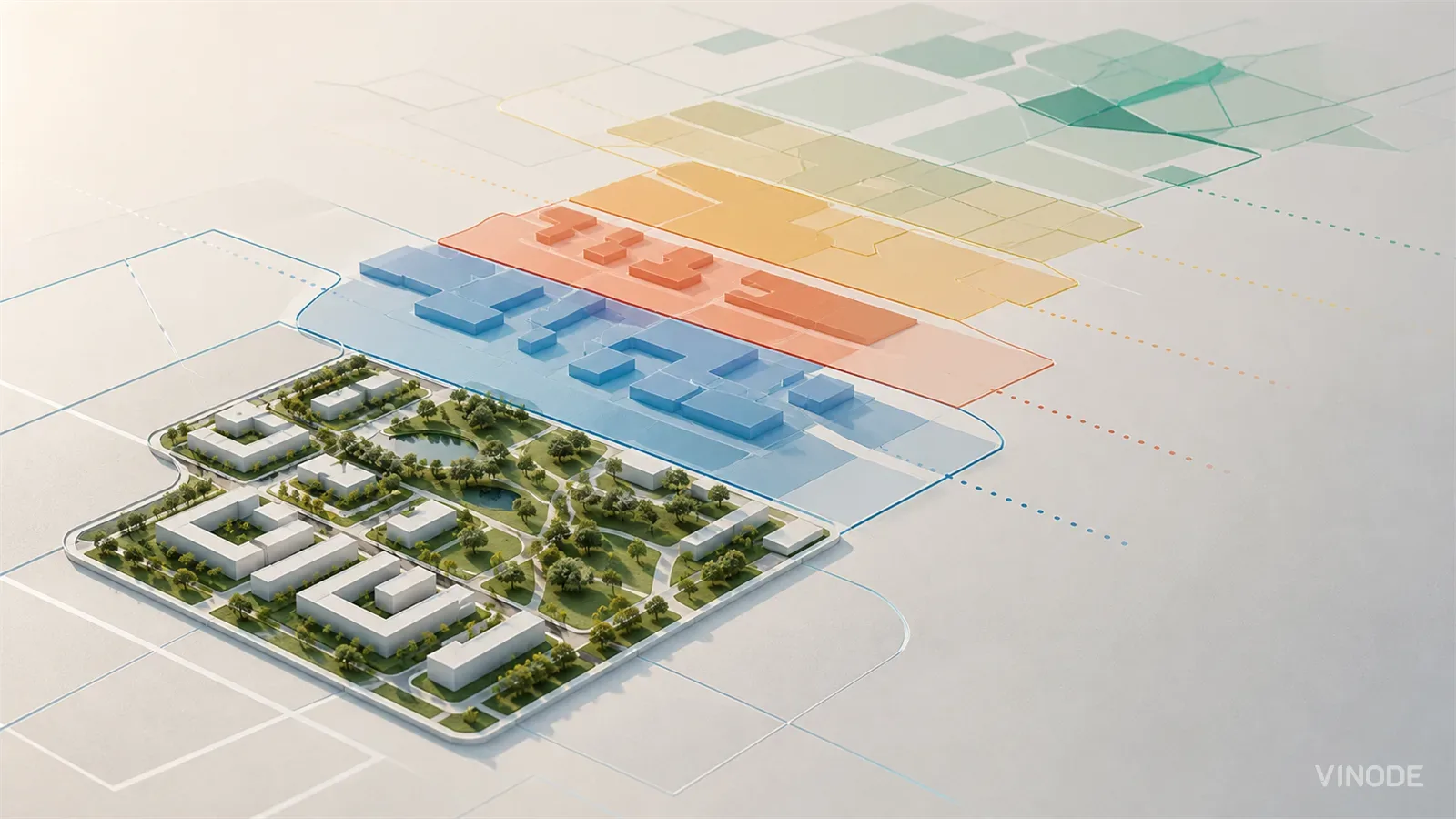
Masterplan 3D for Phased Estates: How to Show Phase One Without Overselling Later Phases
A phased estate contains several levels of certainty at once. The masterplan should make that difference visible, then absorb a later-zone redesign without discrediting the phase-one material buyers already saw.
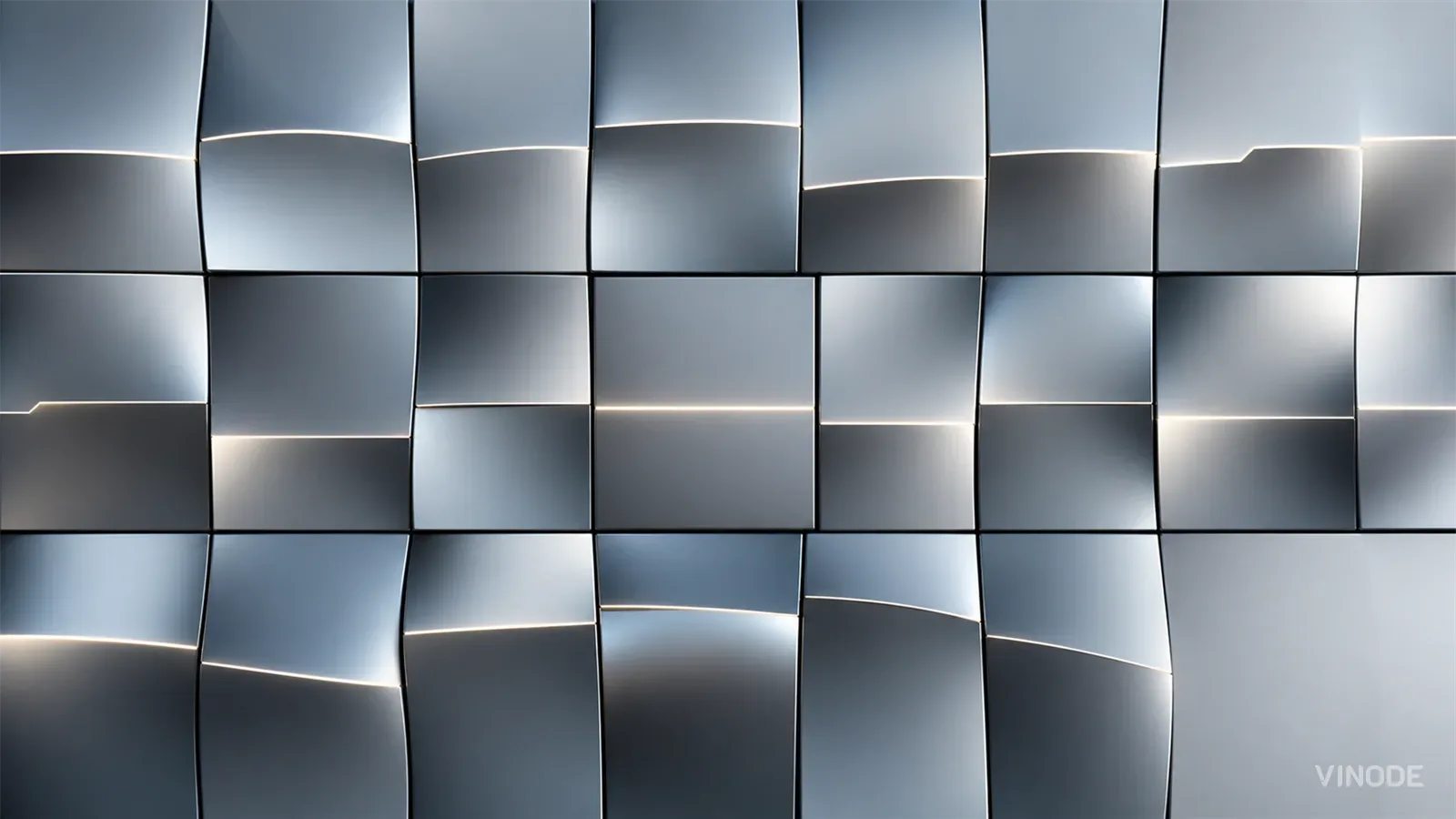
Why rendered glass façades read as fake: the optics of IGU deflection
Archviz glass reads as fake for a reason no roughness slider reaches. Real curtain-wall panes are slightly bowed, each one differently, so adjacent panes reflect the sky at slightly different angles. A render's panes stay flat because the CAD geometry is flat, and that flatness is what the eye catches.
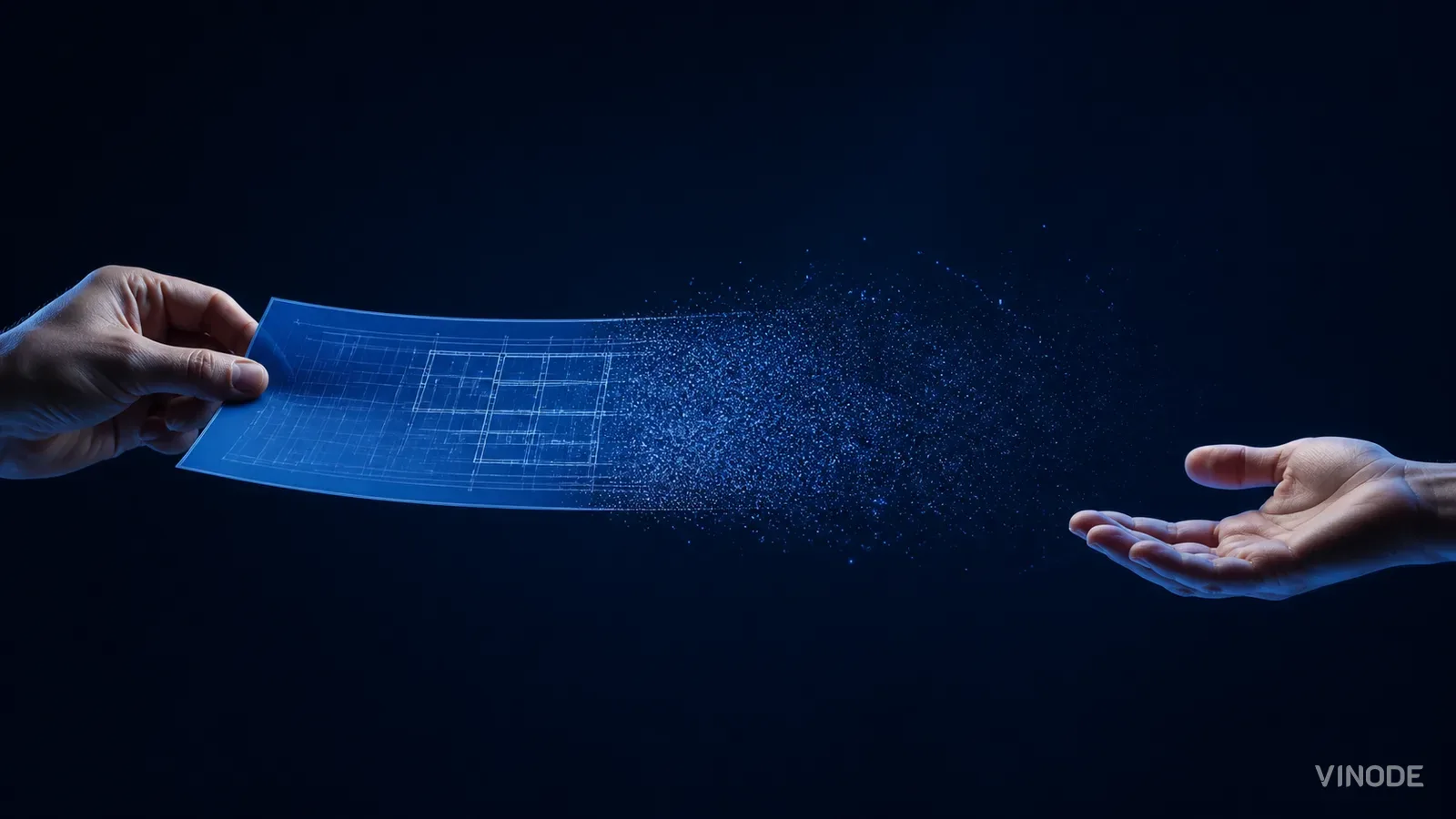
Off-Plan Rendering: What Reaches the Buyer
A new marketing manager inherits 140 JPEGs, one MP4 and no model. Everything the 3D model knew about the units stayed on an artist's workstation, and three vendors are about to rebuild it by hand. What reaches the buyer depends on what leaves the studio.